

Gabriel L. Manor
Can AI Generate Authorization Policy Safely?
LLMs can draft authorization policy, but safe policy authoring for AI agents still depends on explicit intent, verifier-guided synthesis, and runtime PDP decisions on real tool calls.


Gabriel L. Manor
LLMs can draft authorization policy, but safe policy authoring for AI agents still depends on explicit intent, verifier-guided synthesis, and runtime PDP decisions on real tool calls.

Or Weis
Specs and PRDs make coding agents more accurate, but not inherently safe. This guide explains how to secure MCP-enabled coding and workflow agents with short-lived delegated access, runtime policy decisions, and auditable zero standing permissions.

Or Weis
Sandboxing a coding agent isolates it from the host—but the real blast radius is the credentials it holds. GitHub tokens, cloud keys, MCP connections, and CI/CD access define what an agent can actually do. Here's the runtime permission model that closes the gap.

Eli Moshkovich
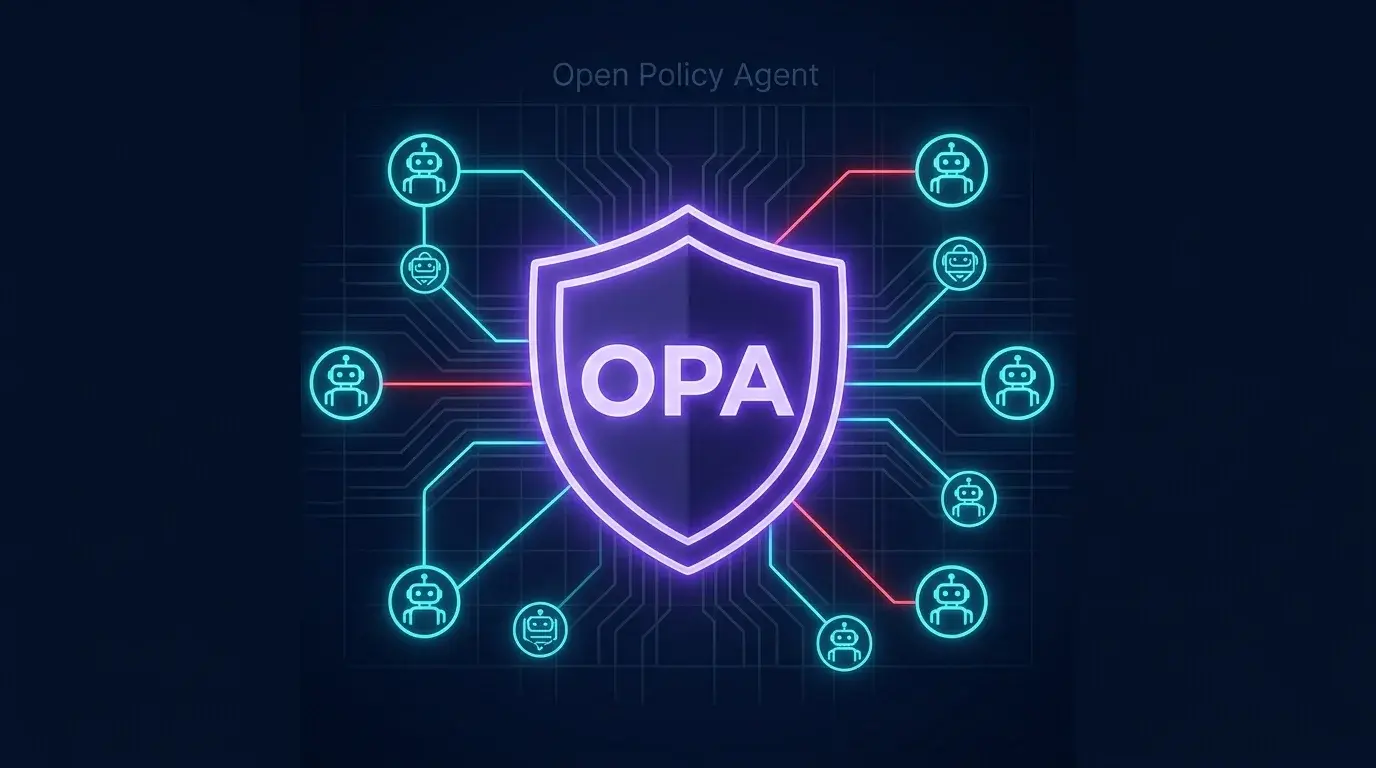
If you already run OPA, AI agents don't require a new policy engine — they require a richer input schema, ephemeral identity, and enforcement at every layer. Learn how to evolve your OPA setup for delegated, multi-hop agentic authorization with Zero Standing Permissions, production-grade Rego, and OPAL-backed real-time enforcement.

Or Weis
RBAC is useful for coarse AI agent guardrails, but ReBAC is needed for delegated, tenant-aware, resource-level authorization. Learn when to use RBAC, ReBAC, and both for secure agentic systems.

Or Weis
MCP auth is necessary, but it is not the same thing as agent authorization. If you want secure agent systems, you need identity, delegation, policy, and runtime enforcement beyond OAuth.

Or Weis
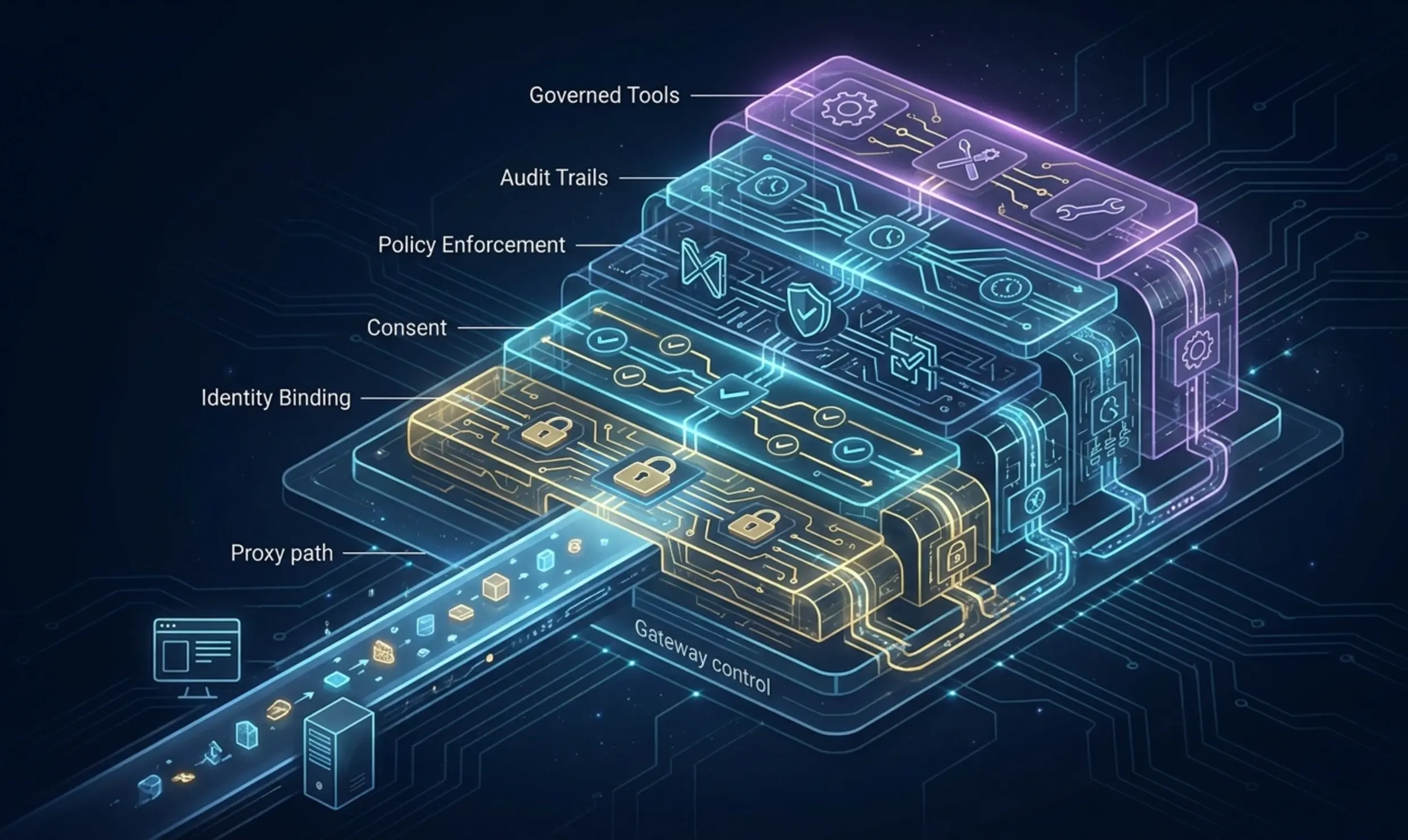
If you are comparing an MCP gateway to a basic MCP proxy, the real difference is not routing. It is identity, authorization, consent, auditability, and runtime control for agent actions.

Or Weis
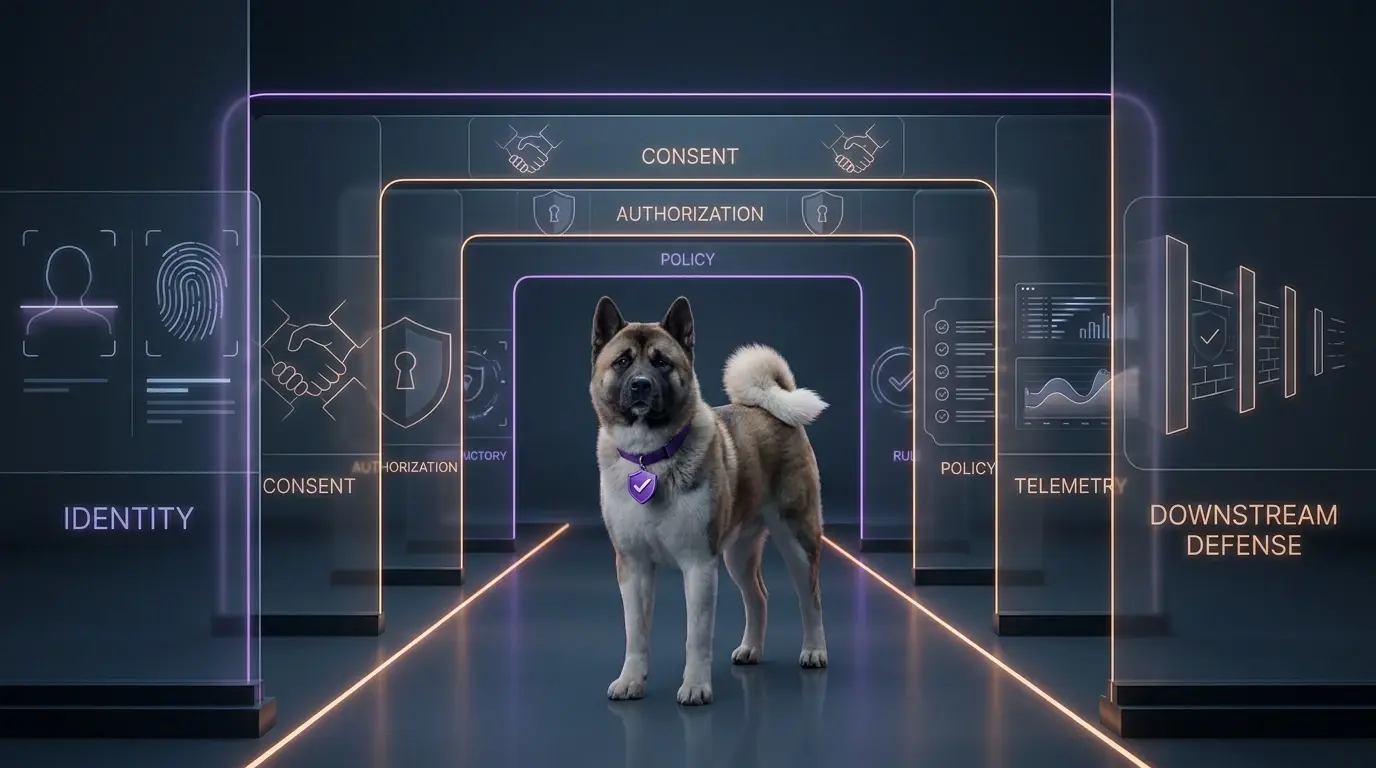
A practical blueprint for securing Model Context Protocol (MCP) agents across identity, consent, policy, and audit layers without rewrites.

Or Weis
Announcing Permit MCP Gateway, a new trust and enforcement layer for MCP that brings identity, consent, fine-grained authorization, auditability, and runtime control to AI agent actions.

Or Weis
Traditional auth breaks for AI agents. Learn how to secure delegation and consent with purpose-bound, goal-scoped permissions, and how agent.security (powered by Permit.io) enforces it fast.

Or Weis
The OpenAI–Mixpanel incident did not leak prompts or API keys, but it still exposed valuable metadata about API users. This post explains why metadata breaches in SaaS and GenAI ecosystems are so dangerous, and how to harden your stack with better governance and fine-grained authorization.

Or Weis
Struggling with MCP Auth? This guide cracks identity, consent, and agent security! Master the five layers of MCP auth & tackle context complexity for production-ready AI.

Or Weis
As AI agents become central to modern applications, traditional authorization models like JWTs fall short. Learn why dynamic, relationship-based access control and real-time policy engines are essential for secure agent workflows.

Daniel Bass
Machine identities are set to outnumber human users in every system. Learn why treating machine identities like human ones is crucial for security, access control, and future-proofing your applications.

Taofiq Aiyelabegan
Langchain changed how developers build AI applications, but implementing Langchain access control for your AI agents remains a critical security requirement. Learn how to implement Langchain access control in this guide.

Ekekenta Clinton
Learn how to build a secure flight booking system using LangFlow and Permit.io. This step-by-step guide covers AI-powered workflows, fine-grained access control, and best practices for protecting sensitive travel data.

Gabriel L. Manor
Google Zanzibar provides fine-grained authorization, but managing it at scale remains a challenge. This article explores using DeepSeek to automate ReBAC tuple generation.

Uma Victor & Daniel Bass
Learn how PydanticAI allows you to secure your AI agents ensuring fine-grained access control, data protection, and compliance for production-ready AI applications.

Gabriel L. Manor
Learn how to implement AI-driven prompt classification for dynamic access control. Combine OpenAI’s intent classification with policy-based access control to enforce permissions based on user requests.

Gabriel L. Manor
How can access control be automated using AI? Learn how to use OpenAI to classify documents by sensitivity and enforce dynamic permissions with Permit.io's Attribute-Based Access Control (ABAC).

Gabriel L. Manor
How and why would you build an AI-based content moderator? Learn how AI improves moderation with contextual awareness, scalability, and customizable rules, and how you can build one with Next.js, MongoDB, Permit.io, and Gemini 1.5 Flash.

Daniel Bass
Learn how to protect user data from AI crawlers with Fine-Grained Authorization (FGA) by Identifying bots, classifying data, and empowering users with control.